








Caustic soda is produced through ion exchange
membrane electrolysis process of a saline solution, and is a typical strong
alkali. Tokuyama’s products are liquid and solid type.
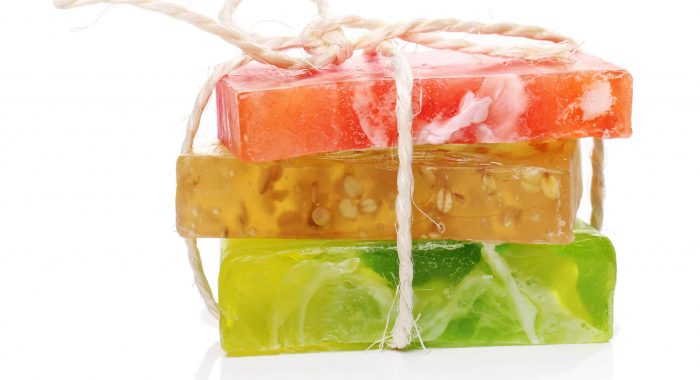
It is widely used in industry to manufacture inorganic chemical products, paper,
aluminum, seasonings, and soap, among other products, as well as for pollution
prevention applications related to wastewater treatment, desulfurization, and
neutralization. Caustic soda is also used in waterworks and as food additive.
General Applications:
- Dissolution of wood chips which are made into wood pulp
- Dissolution of bauxite, which is material for aluminum
- Seasonings, soap, etc.
- Wastewater treatment agent, neutralization agent
Product Properties:
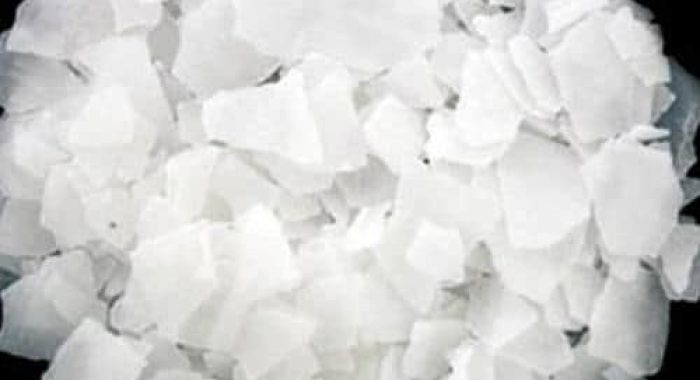
| Appearance | White solid (flakes) |
|---|---|
| pH | 14 (4% aqueous solution) |
| Boiling point | 1390 °C |
| Melting point | 318 °C |
| Specific gravity | 2.13 (10 °C) |
| Solubility in water | 42 g/100 g (at 0 °C) , 109 g/ 100 g (at 20°C) |
Special characteristics:
- Caustic soda is colorless, transparent, and viscous in liquid form, and solidifies depending on its concentration and temperature.
- The liquid form is primarily used, but the solid form is available(flake, small grain, powder) Flakes are white, semitransparent, flat crystals that are highly absorbent.
- Caustic soda is the most representative strong alkaline solution, and exhibits strong alkaline properties in water solution, in which it easily dissolves.
- Absorbs carbon dioxide in the air to become sodium carbonate.